

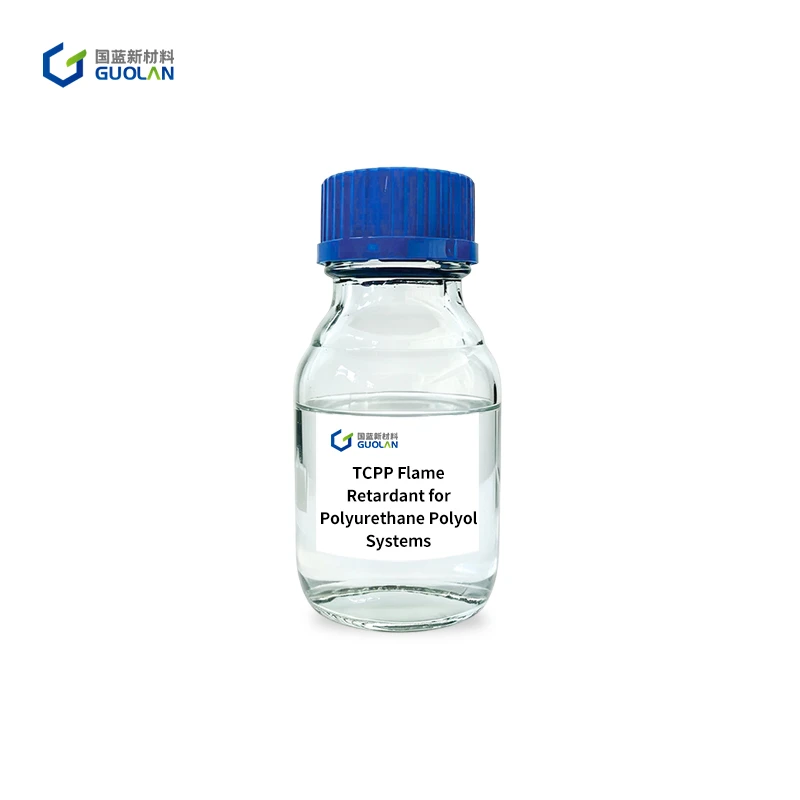
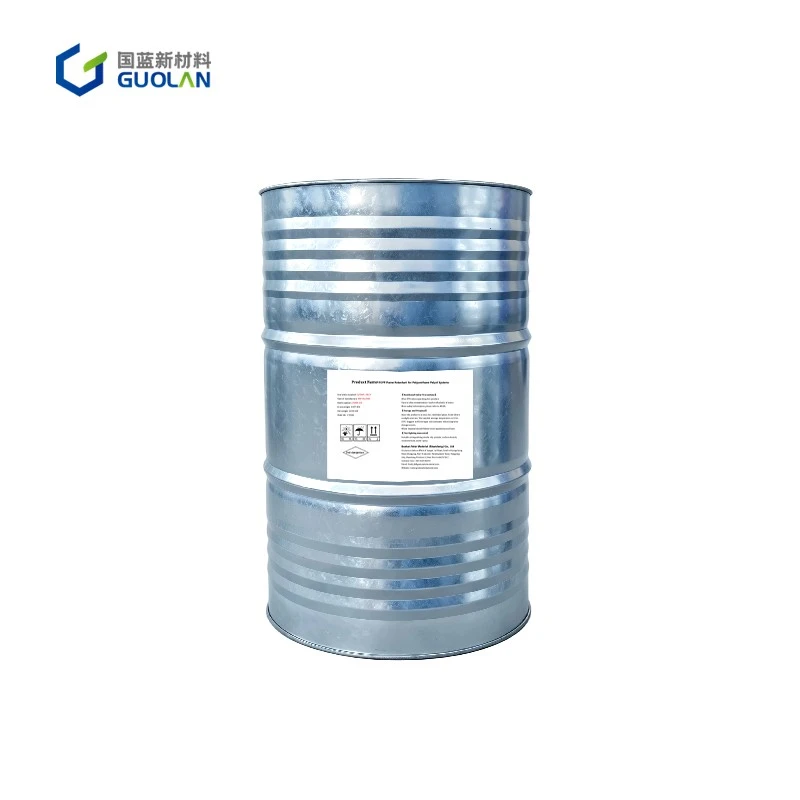
Guolan New Materials (Shandong) Co., Ltd. is one of the leading manufacturers and suppliers of tcpp flame retardant for polyurethane polyol systems in China. With a professional production team, we are able to meet the needs of the majority of our customers. Welcome to wholesale bulk top-quality tcpp flame retardant for polyurethane polyol systems from our factory.
Product Overview
TCPP Flame Retardant for Polyurethane Polyol Systems is a specialized grade engineered for direct incorporation into polyol blends used in polyurethane foam, elastomer, and coating formulations. This grade is specifically designed to be fully miscible with polyether and polyester polyols at typical usage levels, providing homogeneous flame retardant distribution without phase separation, cloudiness, or sedimentation during storage and processing.
Unlike some flame retardants that require solubilizers or compatibilizers to achieve dispersion in polyol systems, TCPP polyol grade is inherently compatible with most commercial polyols due to its chemical structure and polarity profile. It dissolves in polyol blends like a solvent, remaining completely stable without requiring additional stirring or heating cycles before use. This simplifies the formulator's workflow and reduces production costs.
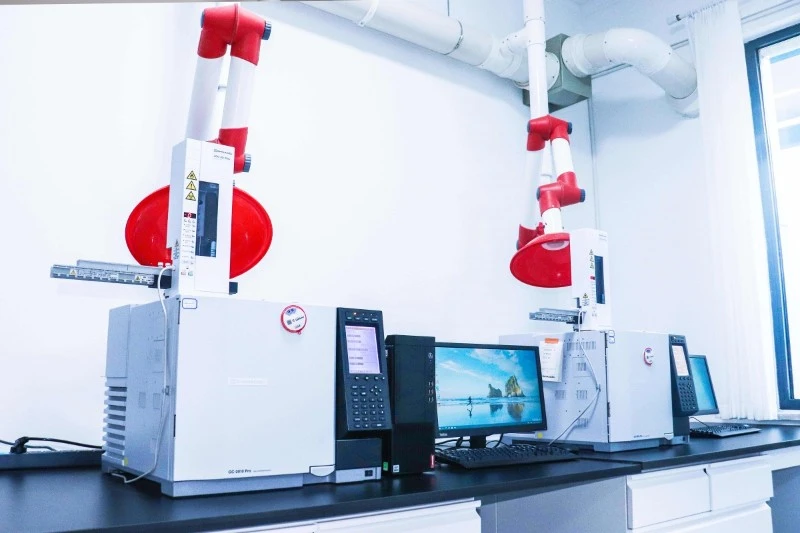
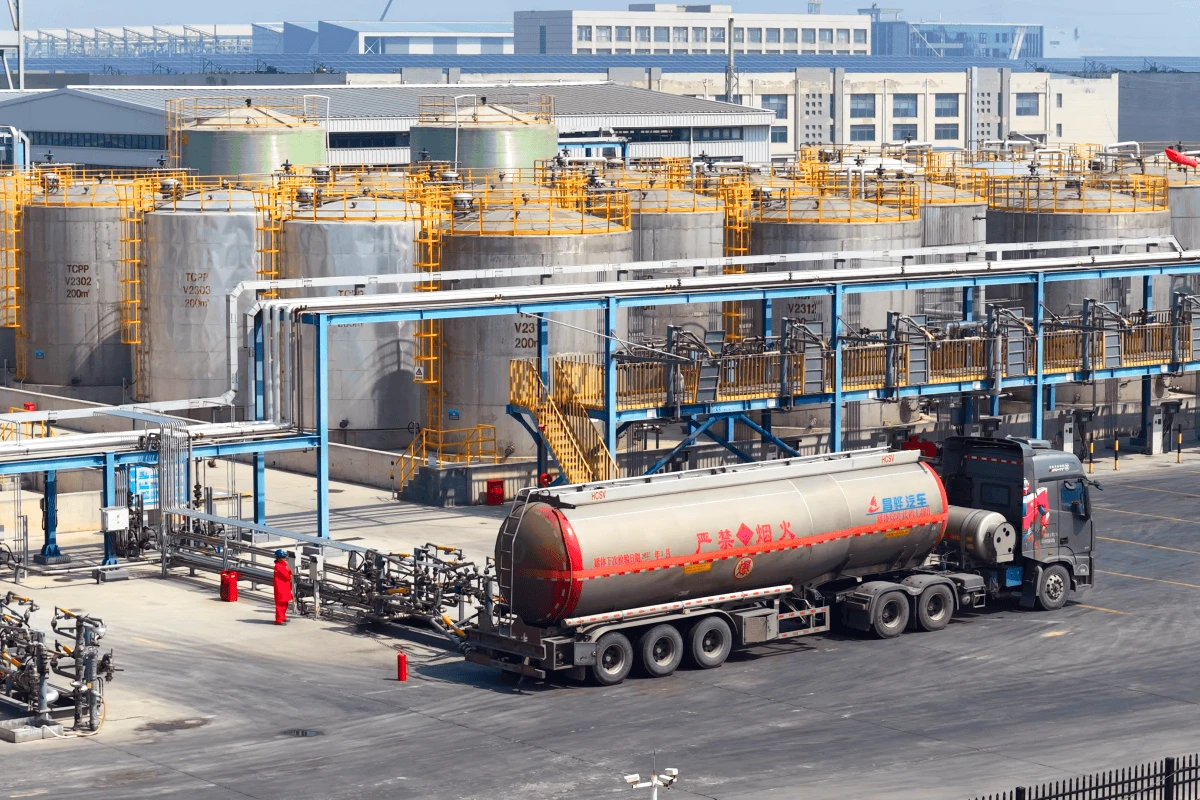
Guolan New Materials produces this grade with consistent quality under rigorous quality control protocols. Our technical support team provides formulation assistance to help polyol blenders and foam manufacturers optimize TCPP dosage for specific application requirements while balancing flame retardancy, mechanical properties, and cost targets.
Technical Parameters
|
Parameter |
Specification |
|
Acid Value, mgKOH/g |
≤0.1 |
|
Moisture, w% |
≤0.1 |
|
Viscosity (25°C), mPa·s |
67-72 |
|
Chromaticity, APHA |
≤50 |
|
Density (20-25°C), g/cm³ |
1.288-1.297 |
|
Flash Point, °C |
≥200 |
|
Polyol Compatibility |
Fully miscible with polyether & polyester polyols |
Feature Highlights
- Direct Polyol Compatibility: Fully miscible with polyether and polyester polyols without requiring solubilizers, co-solvents, or additional mixing equipment. Simply blend into polyol stream at the dosing point for immediate use.
- No Pre-Stirring Required: Unlike some flame retardant additives, TCPP polyol grade does not require pre-mixing or heating cycles before incorporation into polyol blends, streamlining production workflows and reducing labor costs.
- Long-Term Storage Stability: No phase separation, cloudiness, or sedimentation during extended storage periods, even at temperature extremes. Maintains homogeneous appearance and performance from first use to last drop in the drum.
- Minimal Viscosity Impact: Low viscosity contribution to polyol blends allows formulators to maintain target viscosity specifications without adjusting other formulation components, preserving pumpability and spray characteristics.
- Broad Polyol System Support: Compatible with a wide range of polyol types including high-activity polyethers, polyester polyols, and blended systems used in flexible foam, rigid foam, elastomers, and specialty coatings.
- Proven Performance History: Decades of proven performance in polyurethane applications worldwide, with extensive technical data supporting formulation development and regulatory submissions
Industry Application Scenarios
Polyol Blending Operations
TCPP polyol grade is designed for direct addition at polyol blending facilities where it is mixed with catalysts, surfactants, blowing agents, and other additives to produce finished polyol blends for foam manufacturers. Its compatibility ensures consistent flame retardant distribution in the final foam product.
Flexible Foam Manufacturing
Used in polyol formulations for flexible polyurethane foam used in furniture, bedding, and automotive seating. TCPP provides effective flame retardancy while maintaining the softness, resilience, and comfort properties critical to consumer acceptance.
Rigid Foam & Insulation
In rigid polyurethane foam for building insulation and industrial applications, TCPP polyol grade provides reliable flame protection while maintaining the low thermal conductivity and structural integrity required for high-performance insulation products.
Specialty PU Elastomers & Coatings
TCPP is used in polyurethane elastomers, sealants, and coatings where flame retardancy is a specification requirement. Its compatibility with various polyol systems makes it suitable for niche applications requiring customized property combinations.
FAQ
Q: Does TCPP require pre-mixing before adding to polyol blends?
A: No, our TCPP polyol grade is designed for direct incorporation into polyol streams without pre-mixing or heating cycles, simplifying production workflows.
Q: How long does TCPP remain stable in polyol blends during storage?
A: TCPP shows excellent stability in polyol blends with no phase separation, cloudiness, or sedimentation during extended storage periods (typically 12+ months).
Q: Can TCPP be dosed directly at the foam production line?
A: Yes, TCPP polyol grade is designed for direct dosing at the foam production line, either at the polyol storage tank or at the metering mix head.
Q: Does TCPP affect the foaming reaction kinetics?
A: At recommended dosage levels, TCPP has minimal impact on gel time, rise time, or other foaming reaction parameters. Minor catalyst adjustments may be needed for optimal results.
Q: What polyol types is TCPP compatible with?
A: TCPP is compatible with most commercial polyether and polyester polyols including high-activity, medium-activity, and low-activity types used in flexible foam, rigid foam, and elastomer applications.
Q: Does this grade separate during long storage in the blend?
A: No phase separation, cloudiness or sedimentation occurs during extended storage, even at temperature extremes, so the blend stays homogeneous and performs the same from first use to the last of the drum.
Q: Will adding TCPP push my polyol blend out of viscosity spec?
A: Its low viscosity contribution lets formulators hold target viscosity specifications without adjusting other components, preserving pumpability and spray characteristics of the finished blend.
Why Choose Guolan New Materials
- Dose It Straight Into The Polyol: Fully miscible with polyether and polyester polyols without solubilizers, co-solvents or extra mixing equipment - blend it in at the dosing point and run.
- No Pre-Mixing Or Heating Cycle: Unlike additives that need pre-dispersing, this grade goes in directly, streamlining blending workflows and cutting the labour and energy cost of a separate preparation step.
- Stable Blend From First Drum To Last: No phase separation, cloudiness or sedimentation over extended storage, even at temperature extremes, which protects consistency for blenders holding inventory.
- Viscosity Spec Held: Low viscosity contribution means target blend viscosity is maintained without reformulating around it, keeping pumpability and spray behaviour on specification.
- Broad Polyol Coverage With Data Behind It: Compatible with high-activity polyethers, polyester polyols and blended systems used in flexible foam, rigid foam, elastomers and specialty coatings, supported by decades of field history and technical data for formulation and regulatory work.
Hot Tags: tcpp flame retardant for polyurethane polyol systems, China tcpp flame retardant for polyurethane polyol systems manufacturers, suppliers, factory


